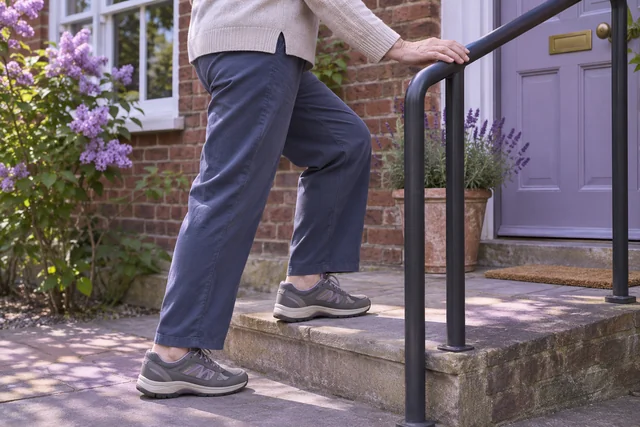
Strengthening can look like working with weights, but many familiar activities also ask muscles to work against resistance. The NHS includes examples such as carrying heavy shopping, some forms of gardening and exercises using body weight. The activity needs to present a challenge appropriate to your current strength and the task.
Think about the whole week
The UK guidance advises adults to work the major muscle groups at least twice a week. Think beyond a favourite movement. A plan could involve work for legs and hips as well as the back, chest, shoulders and arms. Find a starting point that fits your ability and can be done safely in the space you have.
Choose clear, repeatable activities
- Set aside an occasion. You might combine a short strength activity with a day you are already active.
- Check the setup. Use a stable surface or the equipment described by a reliable guide and make room to move.
- Record what you did. The movement and how it felt are useful details when you decide what to repeat.
For a concrete example, compare gardening sessions rather than counting every minute outdoors as strengthening. Carrying, digging or other tasks that challenge relevant muscle groups may fit. Watering a pot on a windowsill involves a different effort. Both may belong in your week for different reasons.
Let the starting level guide the plan
The NHS advises starting gradually and building over time. When an activity feels manageable and controlled, consider changing one part of the plan at a time. If a health condition, injury or another concern affects which movements are suitable, ask an appropriate clinician or physiotherapist for guidance.
Make a list by movement and setting
Write down a few ways you might challenge muscles in the spaces you already use. A class, an activity at home or suitable work in a garden can each fit, depending on the task and your circumstances. Think about what the activity asks you to do. A task that mostly uses the legs gives different practice from one that involves pulling or carrying. A weekly plan gives you room to address more than one part of the body.
The NHS guidance on strength and flexibility describes how to start and build up over time. Use a recognised exercise description or qualified instruction if a movement is unfamiliar. Choose a setup in which you can begin and end the movement with control. If the environment makes it harder than expected, adjust the setup before changing how much you try to do.
Put two realistic opportunities on the calendar
Look for times you can keep even in a busy week. You might have more room before a regular weekend task and on one quieter weekday. Keep any equipment you need in a convenient place and leave enough time to set up. A plan that relies on a particular room or shared equipment should include what you will do if it is unavailable.
- Choose two times and write down the place as well as the day.
- Pick movements appropriate to you and to the setup.
- Have a shorter plan for an unusually busy day.
For example, a weekly class may give a clear starting point but be difficult to reach every week. Ask the instructor or a suitable professional about an option appropriate for home. A short session you can organise safely can give you a second occasion even when travel is hard.
Record control and effort
A note about how a movement went is often more useful than a total alone. Did the motion stay controlled? Did you have to change where you stood or sat? Was the equipment available in a suitable size or position? These details can show whether the current plan is ready to repeat. In contrast, a large change in one session may make it difficult to tell which part caused a problem.
Use the note to review the activity across several occasions. If a familiar movement becomes more manageable, you can consider a small change while keeping the rest of the setup consistent. If you repeatedly have less control than you expected, check the instructions or discuss them with an appropriate professional before progressing.
Evaluate ordinary tasks on what they involve
Take two gardening sessions as an example. In one you move bags or work against resistance with a tool. In the other you look after small plants and spend much of the time standing. Both are meaningful activities, but they ask different things of your muscles. Note the movement and whether it created a suitable challenge before you count it as a strength opportunity.
Some tasks are awkward to scale. A bag may be heavier than you intended or hard to move safely. If the weight, grip or position prevents controlled movement, choose a better way to do the task. You can set aside a different opportunity for strengthening with more control over the challenge.
Leave space for the other parts of activity
Strength work and moderate activity answer different parts of the weekly guidance. You may already have an outing you enjoy, and some days can include both kinds of activity if that fits. Keep the week realistic and note what you want to improve. A suitable session can be built around advice for a condition, injury or disability; tell the person advising you what equipment and space you actually have.